
As European energy markets shift, Power Purchase Agreement (PPA) dealmakers are adapting their procurement strategies. Pay-as-produced solar PPAs – long the bulwark of the corporate sector's energy transition – are losing their shine, as cannibalisation eats into captured values and record-breaking curtailment brings unacceptable volume risk to buyers.
The market response to these challenges is multifaceted. Hybrid solutions that incorporate storage with generation are gaining traction. These agreements can take a range of forms, but the essence is consistent across deal types: shifting power from hours of surplus generation to hours of high demand. For developers, this means improved revenue forecasts and resilience against volatility; for buyers, it allows generation profiles to better match demand. Grids that can successfully adapt to bi-directional capabilities will benefit from greater flexibility, enhanced stability, and less generation redundancy.
Demand is also rising for specific contractual clauses which directly address negative price risk and balance counterparty liability. Such contractual tools, covered in depth by LevelTen here, include non-settlement thresholds, market price floors, settlement caps, and replacement Guarantees of Origin (GOs) during curtailment hours.
While it is difficult to navigate PPA negotiation in 2026 without discussing battery storage, a more traditional asset type offers built-in downside protection: wind power. Due to its inherently distinct generation profile, onshore wind can serve as a powerful, physical hedge against the specific market risks plaguing today's grid.
Wind offers favourable generation profiles
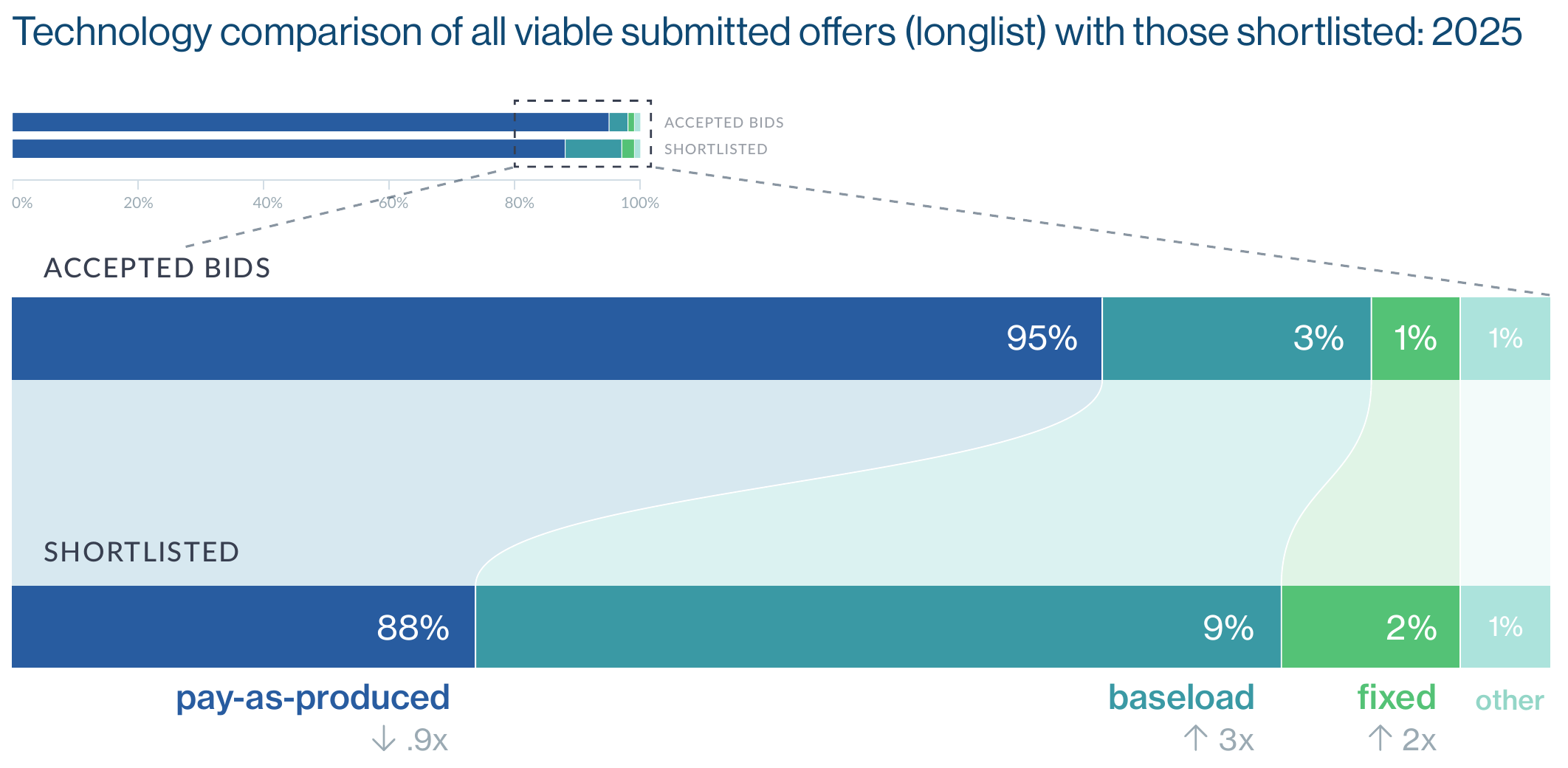
The generation profile of wind is very different to that of PV, which peaks at solar noon each day – when capture prices are at their lowest. By contrast, wind power delivers a smoother average generation shape across a 24-hour period.
One consequence of this is that wind generation is far less exposed to negative price risk than solar. During the first five months of 2025 in Germany, according to Enervis, 28% of potential solar generation occurred during negative price hours, compared to less than 5% for onshore wind.
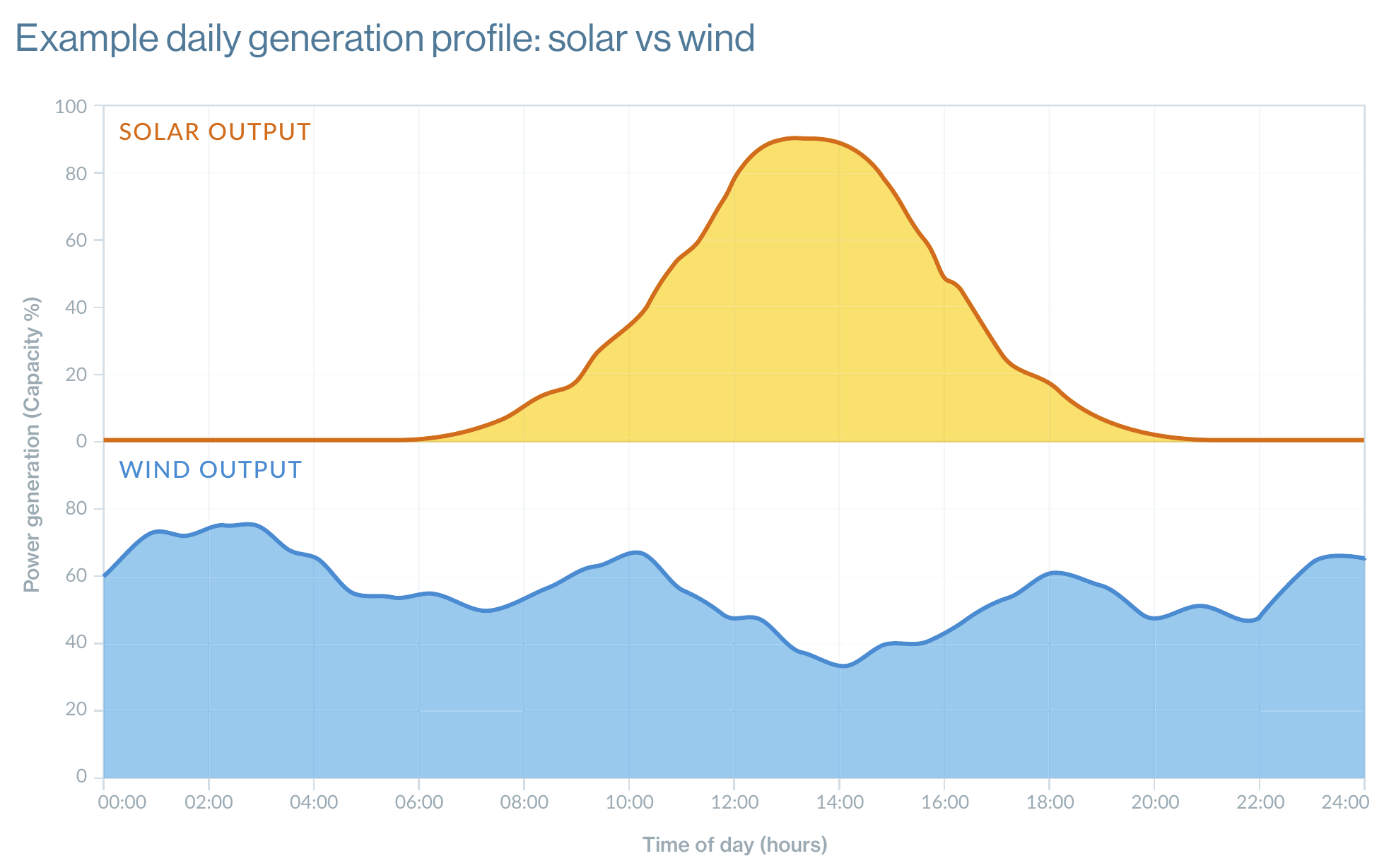
As negative prices threaten the value of solar-only pay-as-produced PPAs, buyers are actively shifting towards structured products to hedge against these risks. LevelTen Marketplace data highlights a premium on certainty: in 2025, pay-as-produced offers drop from 95% of all accepted bids to 88% of those shortlisted, whereas fixed and baseload offers increase from 1% to 2% and from 3% to 9% respectively. The more consistent generation profile of wind projects makes them well-equipped to cater to the growing demand for structured contracts.
Moreover, for energy-intensive industries and data centre operators that require stable, round-the-clock supply, wind power is an attractive choice to meet corporate sustainability goals and 24/7 carbon-free energy targets. This will become especially important if the green hydrogen revolution gets off the ground in Europe, as electrolysers will require credible temporal and geographical matching to ensure they can be certified as green. Moeve’s 300 MW Green Hydrogen Valley project in Spain, due to come online in 2029 and powered by a diverse portfolio of wind, solar, and biogas, is one such example.
Because of its highly advantageous generation profile and resilience against negative pricing, wind capacity frequently commands a PPA price premium over solar. However, a PPA’s price is not equivalent to its value; wind statistically delivers much higher long-term financial value and better downside protection than lower-priced solar contracts — as we’ll explore next.